
Understanding the Two Main Types of Life Insurance
When shopping for life insurance, you'll encounter two primary options: term life and whole life. Both provide a death benefit to your beneficiaries, but they work very differently.
Term Life Insurance at a Glance
Term life insurance provides coverage for a specific period — typically 10, 20, or 30 years. If you pass away during the term, your beneficiaries receive the death benefit. When the term expires, coverage ends.
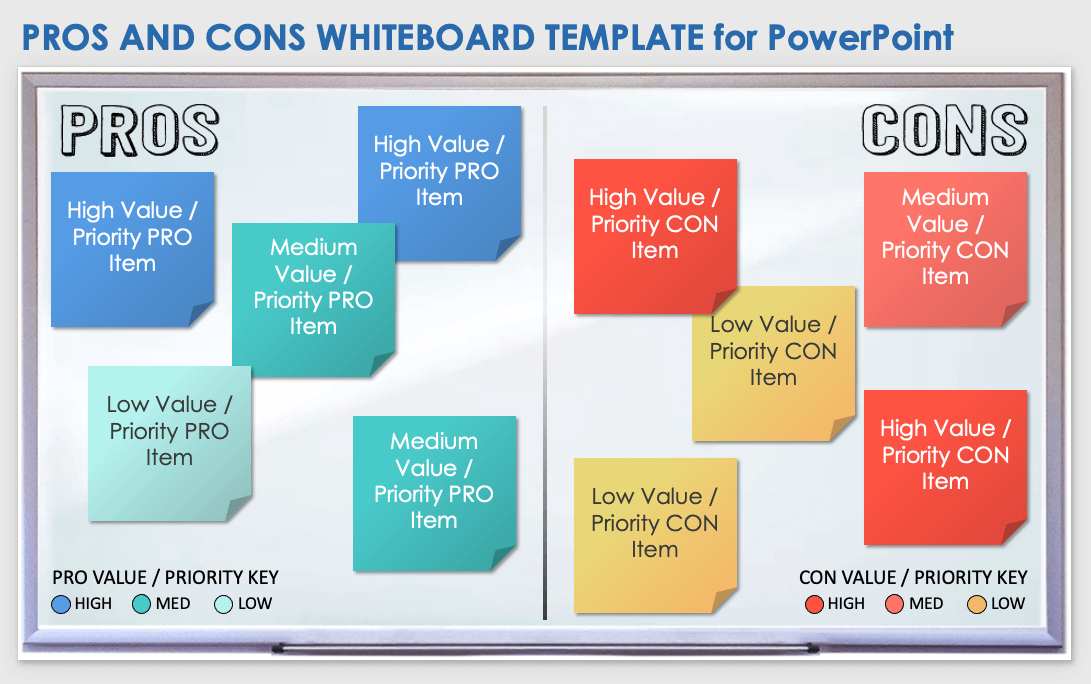
Pros:
- Significantly cheaper (often 5-10× less than whole life)
- Simple and easy to understand
- Ideal for temporary needs (mortgage, raising kids)
- Many policies are convertible to permanent coverage
Cons:
- No cash value accumulation
- Coverage expires at end of term
- Renewal premiums are much higher
What Term Life Costs
A healthy 35-year-old can typically get a $500,000, 20-year term policy for $20-$35/month.
Whole Life Insurance at a Glance
Whole life insurance provides permanent coverage that lasts your entire lifetime, as long as premiums are paid. It also includes a savings component called cash value that grows over time.
Pros:
- Coverage never expires
- Builds tax-deferred cash value
- Fixed premiums that never increase
- Can borrow against the cash value
- May pay dividends (with mutual companies)
Cons:
- Significantly more expensive
- Cash value growth is slow in early years
- More complex than term life
What Whole Life Costs
The same 35-year-old would pay $200-$400/month for a $500,000 whole life policy.
Side-by-Side Comparison
| Feature | Term Life | Whole Life |
|---|---|---|
| Duration | 10-30 years | Lifetime |
| Monthly Cost (35yo, $500K) | $20-$35 | $200-$400 |
| Cash Value | No | Yes |
| Premiums | Level during term | Fixed for life |
| Best For | Temporary needs | Permanent needs |
When to Choose Term Life
- You have a mortgage to cover
- You're raising children
- You're on a tight budget
- You need maximum coverage per dollar
- You want simple, straightforward protection
When to Choose Whole Life
- You want lifelong coverage guaranteed
- Estate planning or wealth transfer goals
- You've maxed out other retirement accounts
- You want a forced savings component
- You have a special needs dependent
The "Buy Term and Invest the Difference" Strategy
Many financial advisors suggest buying an affordable term policy and investing the premium difference in index funds or retirement accounts. This can potentially build more wealth than whole life's cash value — but it requires discipline to actually invest the savings.
A Third Option: Universal Life
Universal life insurance is a hybrid that offers permanent coverage with flexible premiums and an adjustable death benefit. It can be a good middle ground for some families.
Our Recommendation
For most families, term life insurance is the best starting point. It provides the most coverage per dollar when you need it most. As your financial situation grows, you can always add whole life coverage later.
At Dennen Life, we work with dozens of top-rated carriers to find the right policy type and price for your unique situation. Get your free quote today and see your options.
Ready to Get Protected?
Our team at Dennen Life is here to help you find the perfect coverage for your needs.